Serendipity for Medicine

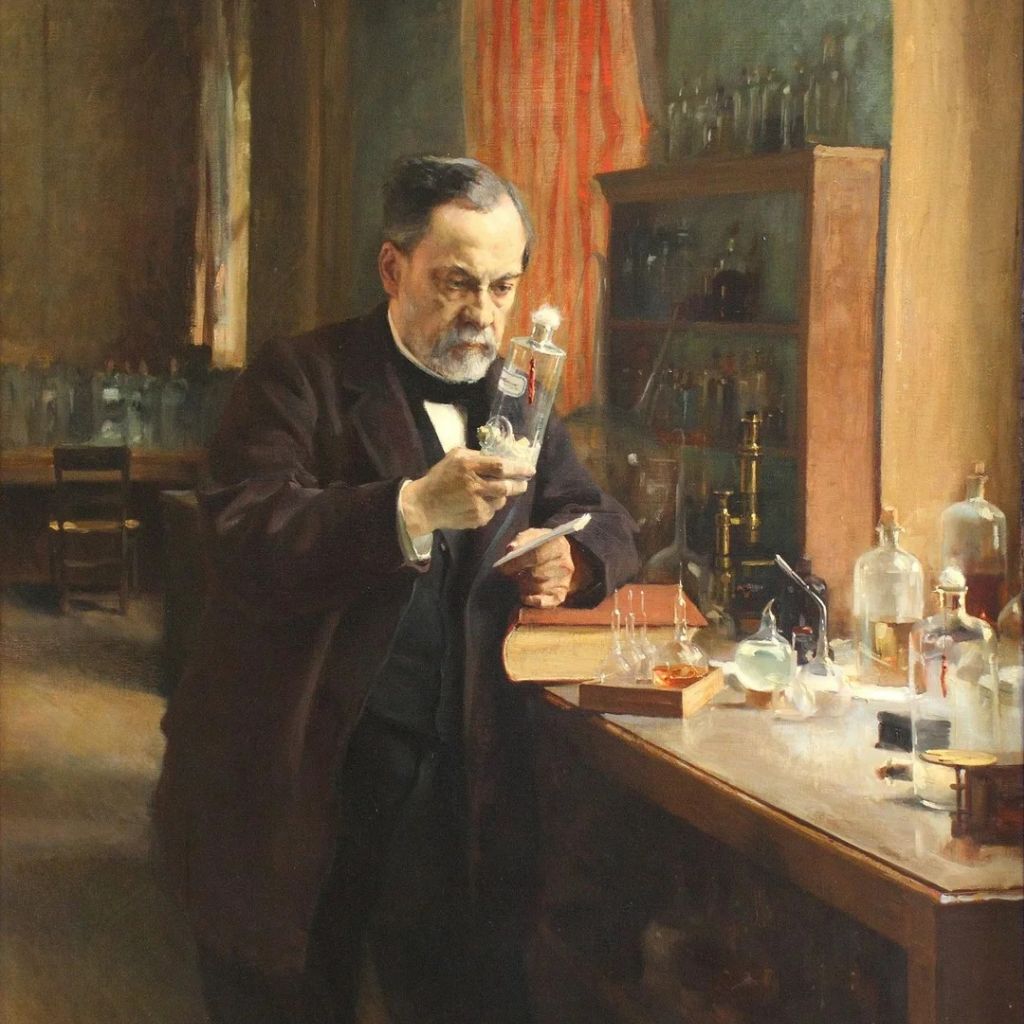
We develop serendipity-enabling biotechnologies that embody Louis Pasteur's famous saying: "Chance (serendipity) favors the prepared mind".

Mission

At Goda Lab, our core mission is "Serendipity Engineering" - the creation of technologies that enable unexpected discoveries, guided by Louis Pasteur's insight that "chance favors the prepared mind." We integrate photonics, nanotechnology, microfluidics, robotics, and data science to develop transformative biotechnologies that uncover unknown biological phenomena, reveal underlying mechanisms, and open new avenues in science, industry, and medicine. Our work spans theoretical, experimental, and computational approaches to address critical challenges across disciplines. We are equally committed to training the next generation of global leaders. We foster an international, interdisciplinary, and open research environment that values flat human relationships and welcomes talented individuals from any university, company, or field. Goda Lab at Tohoku University is part of Goda Lab Holdings and collaborates closely with Goda Lab at the University of Tokyo and Serendipity Lab, actively exchanging researchers, ideas, and technologies to maximize innovation and societal impact.

  • Serendipity engineering for next-generation medical innovation
  • Fostering an international and interdisciplinary research environment
  • Supporting entrepreneurship for launching deep-tech startups
  • Cultivating global leaders in science, industry, and medicine
Journal papers published

Startups produced

Faculty members produced

Patents produced

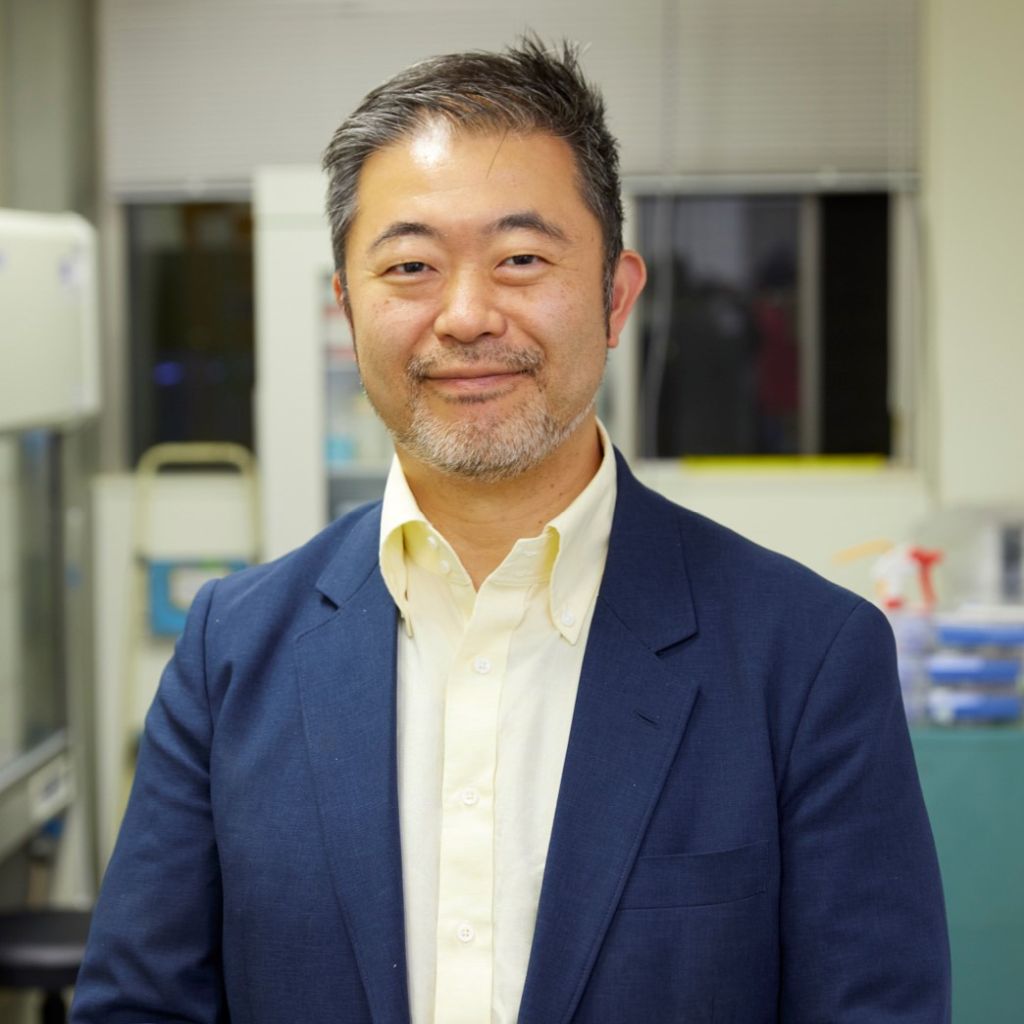
Keisuke Goda

Scientist, Engineer, Educator, Entrepreneur

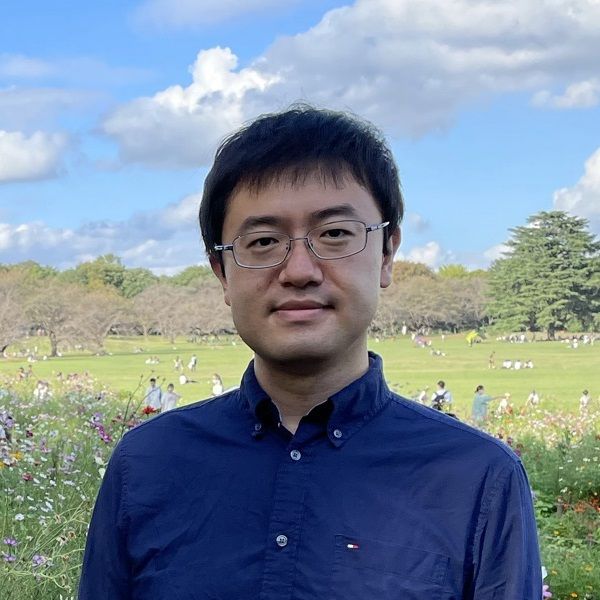
Keisuke Goda is a Distinguished Professor at the SiRIUS Institute of Medical Research, the School of Medicine, and the International Center for Synchrotron Radiation Innovation Smart (SRIS) at Tohoku University, a Professor in the Department of Chemistry at the University of Tokyo, and an Adjunct Professor in the Department of Bioengineering at UCLA and the Institute of Technological Sciences at Wuhan University. He received his B.A. in physics summa cum laude from UC Berkeley in 2001 and his Ph.D. in physics from MIT in 2007. At MIT, he worked in the LIGO group on quantum-enhancement techniques that contributed to the 2017 Nobel Prize in Physics for the detection of gravitational waves. In 2007, he joined the Department of Electrical Engineering at UCLA as a postdoctoral researcher and program manager, developing ultrafast optical imaging, spectroscopy, and microfluidic biotechnologies. He became a Professor of Chemistry at the University of Tokyo in 2012, and in 2026, he joined Tohoku University as a Distinguished Professor. He currently leads major research laboratories at both institutions. His research group now focuses on creating "serendipity-enabling biotechnologies" through extreme engineering. Goda has published over 300 journal papers, filed over 30 patents, produced over 25 faculty members, and founded 4 startups. He has received more than 30 awards, including the Japan Academy Medal, the JSPS Prize, the SPIE Biophotonics Technology Innovator Award, and the Philipp Franz von Siebold Award.

Interested in joining Goda Lab?

At Goda Lab, we welcome skilled researchers from all universities, disciplines, companies, and government institutions. We offer a variety of career pathways, including degree and non-degree positions, as well as both short-term and long-term opportunities. If you are interested in joining Goda Lab, please send an email and your CV to Prof. Goda.

Join Us

Research

Our research group is dedicated to "Serendipity Engineering" - the development of serendipity-enabling technologies through the integration of photonics, nanotechnology, microfluidics, robotics, and data science. Our goal is to use these technologies to discover unknown biological phenomena, elucidate mechanisms, and exploit a new class of biomedical applications. Although our research is rooted in physics and chemistry, we make use of theoretical, experimental, and computational techniques to tackle important problems. We operate our global initiative for the development of serendipity-enabling technologies at Serendipity Lab. Below is a non-exhaustive list of our current research programs.

Exosome Engineering for Super Liquid Biopsy

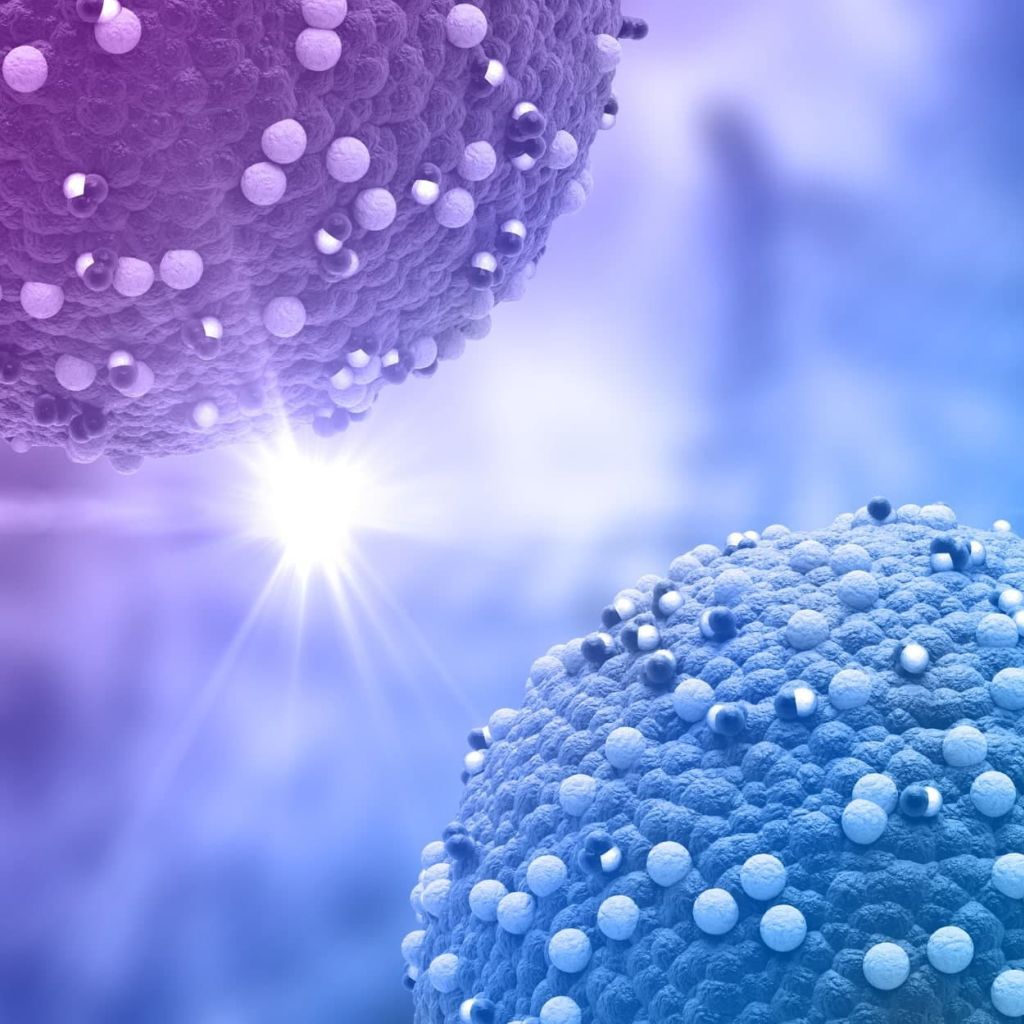
Exosome-derived liquid biopsy is an emerging diagnostic modality that provides a non-invasive alternative to tissue biopsy. Exosomes are nanoscale vesicles (30-150 nm) released by virtually all cell types into bodily fluids, carrying proteins, lipids, DNA, and diverse RNAs that mirror the physiological or pathological state of their cells of origin. In cancer, tumor-derived exosomes circulating in the bloodstream contain molecular signatures specific to the malignancy. Isolating and analyzing these vesicles enables clinicians to profile genetic mutations, protein expression, and other tumor characteristics without invasive sampling, supporting early detection, real-time monitoring, and assessment of therapeutic response. Because exosomes are continuously released, liquid biopsies can be performed repeatedly - an important advantage over traditional biopsies. Although standardization of exosome isolation and analysis remains a challenge, the potential of exosome-based diagnostics is considerable, with expected prominence in precision and personalized medicine. Our current research advances this field by engineering exosomes (i.e., modifying their surface and cargo through nanotechnology) to achieve highly selective exosome detection. This strategy aims to markedly enhance the accuracy and efficiency of liquid biopsy, enabling more detailed and targeted molecular readouts and paving the way for next-generation non-invasive diagnostics.


Exosome Engineering for Super Rejuvenation

Engineered exosomes are emerging as a powerful modality for next-generation rejuvenation therapies. Exosomes are nanoscale vesicles (30–150 nm) secreted by virtually all cell types, carrying proteins, lipids, DNA, and diverse RNAs that influence the physiological state of recipient cells. In aging biology, youthful cells release exosomes enriched with regenerative and anti-inflammatory factors, whereas aged tissues secrete vesicles that propagate senescence-associated signals. Harnessing and reprogramming these vesicles offers a promising route to systemic rejuvenation. By engineering exosome surfaces and cargo, researchers can create “super rejuvenation exosomes” that deliver pro-regenerative molecules, suppress inflammatory pathways, and restore cellular function across tissues. Their biocompatibility and natural role in intercellular communication make them well suited for repeated, minimally invasive administration. Although challenges remain—including scalable production and precise in vivo targeting—the potential of engineered exosomes to counteract key hallmarks of aging is substantial and increasingly recognized as a frontier of precision longevity medicine. Our lab focuses on pioneering advanced exosome engineering technologies (i.e., leveraging nanotechnology, molecular design, and high-resolution analytics) to create highly potent rejuvenating exosomes. Our goal is to establish a scientifically rigorous foundation for next-generation anti-aging therapies with unprecedented safety, specificity, and therapeutic impact.


Personalized Medicine for Thrombosis

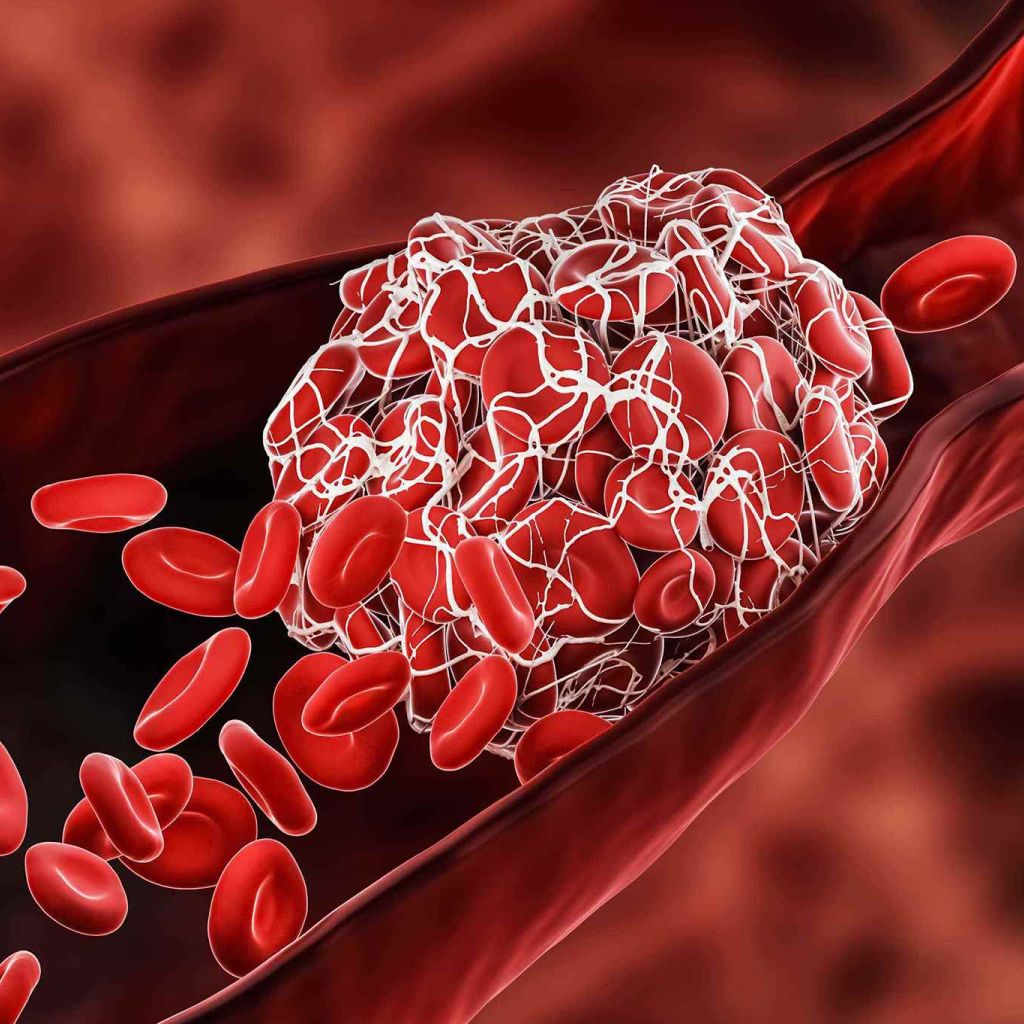
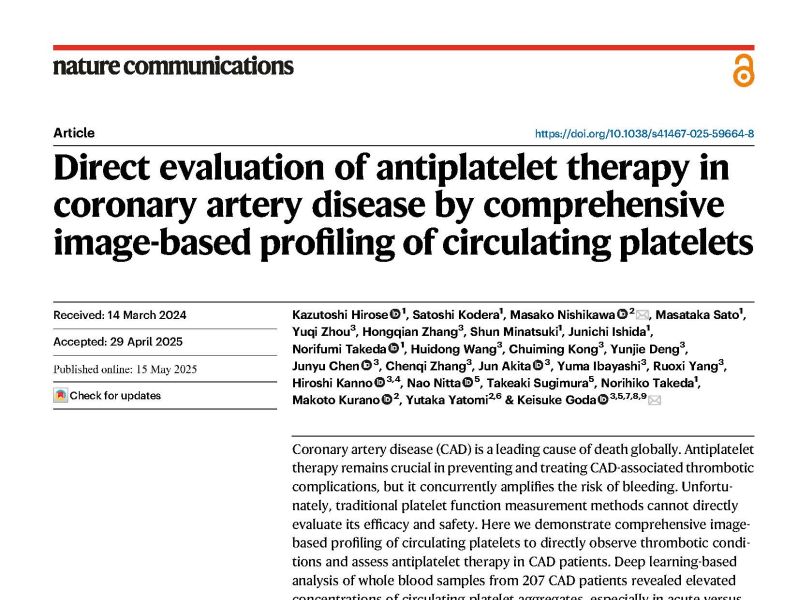
Personalized thrombosis medicine aims to move beyond population-averaged risk scores and static coagulation assays toward a patient-specific understanding of thrombotic disease. Thrombosis arises from heterogeneous platelet behaviors shaped by cellular state, hemodynamic forces, vascular geometry, and therapeutic intervention. Building on our work in large-scale image-based single-cell profiling, we have shown that circulating platelets and platelet aggregates encode quantitative phenotypes that directly reflect disease state and response to antiplatelet therapy—features that are largely invisible to conventional assays. By integrating advanced photonics, microfluidic disease models, and AI-driven analysis, our lab seeks to establish a new framework for personalized medicine for thrombosis, in which thrombotic risk and drug efficacy are evaluated directly from a patient’s circulating platelets under physiologically relevant conditions. We are developing scalable chip-based platforms for quantitative assessment of platelet activation, aggregation dynamics, and therapeutic response. Our long-term goal is to enable data-driven, individualized thrombosis management that improves both safety and efficacy in cardiovascular care.


Advanced Medical Imaging with NanoTerasu

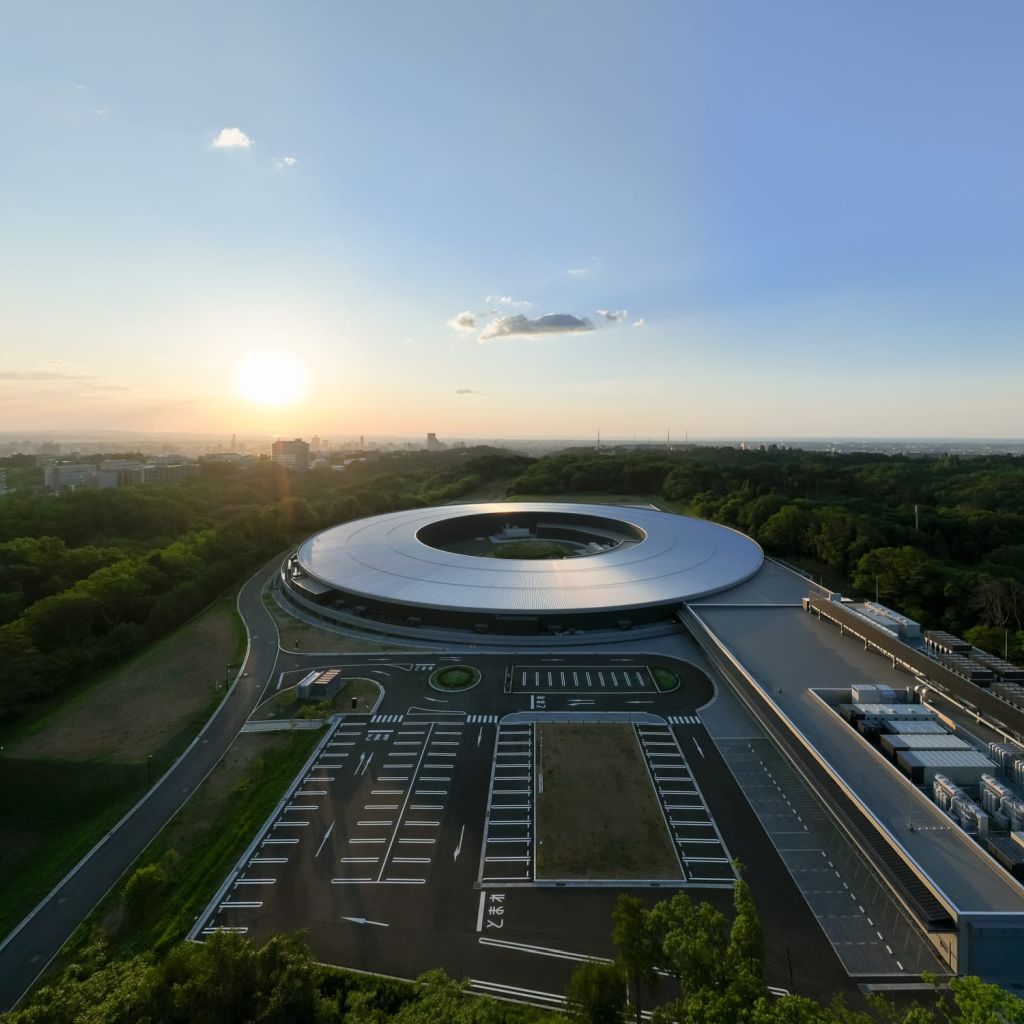
NanoTerasu, Japan's next-generation synchrotron radiation facility, is opening new frontiers in biomedical science by enabling molecular and structural analyses that were previously inaccessible. Its high-brilliance, high-coherence X-ray beams allow researchers to visualize biological materials across scales, from atomic-level structures to whole-cell and tissue architectures, while preserving chemical specificity and dynamic information. These capabilities provide unprecedented insight into disease mechanisms, drug–target interactions, and biomolecular assembly pathways. In medicine, NanoTerasu-powered imaging and spectroscopy can reveal how proteins misfold in neurodegeneration, how drug candidates bind to their targets, or how nanoscale changes in tissues signal early disease. Such high-resolution, non-destructive analysis supports more precise diagnostics, more rational drug design, and a deeper understanding of therapeutic response - key pillars of next-generation precision healthcare. Although analytical pipelines and data integration remain challenging, the potential of NanoTerasu to transform medical research is considerable. As computational methods and multimodal workflows mature, synchrotron-enabled medicine is expected to become central to the molecular characterization of disease. Our lab is actively developing NanoTerasu-based biomedical methodologies by integrating advanced optics, AI-driven analytics, and micro/nanofluidics, to enable transformative imaging tools for molecular medicine. Our goal is to harness the unique power of next-generation synchrotron light to create new diagnostic and therapeutic platforms that redefine the boundaries of medical innovation.


AI for Medical Innovation

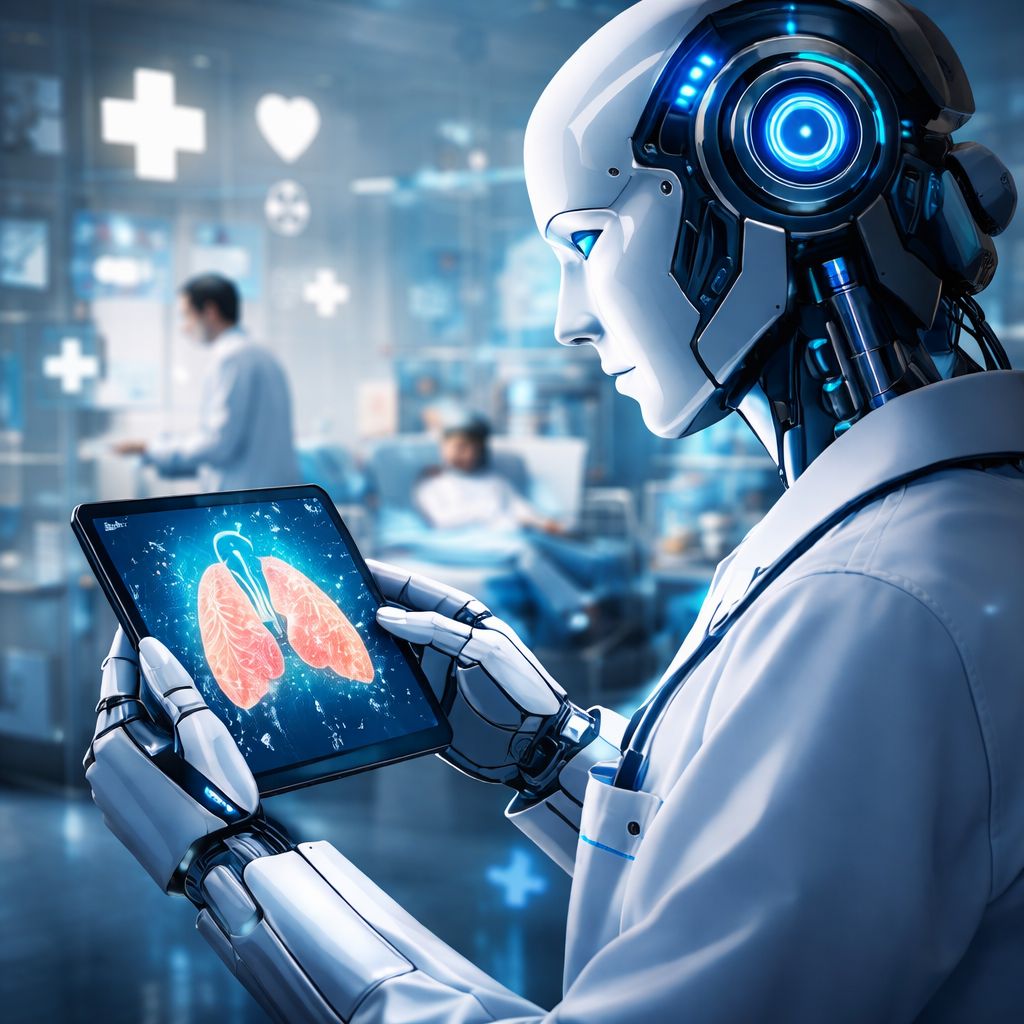
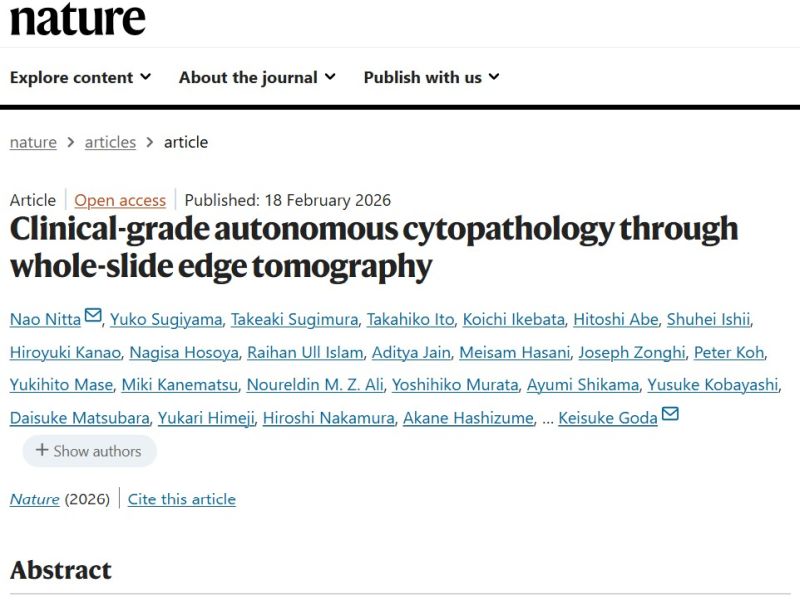
Artificial intelligence (AI) is rapidly reshaping medical science by enabling data-driven insights that surpass the limits of traditional analysis. Modern AI models can learn complex patterns from vast multimodal datasets—spanning imaging, genomics, pathology, wearable data, and clinical records—to characterize disease states with unprecedented accuracy. In diagnostic disciplines such as radiology, pathology, and cytology, AI enhances pattern recognition, improves sensitivity and specificity, and supports earlier detection of disease. Beyond diagnostics, AI is transforming therapeutic development by predicting drug–target interactions, modeling protein structures, and identifying biomarkers of treatment response. These capabilities accelerate discovery timelines and facilitate the design of more personalized and effective interventions. As AI becomes increasingly integrated with biological measurement technologies, it enables continuous, real-time evaluation of patient health and provides actionable insights across the entire care pathway. While challenges remain, including data quality, interpretability, and clinical integration, the potential of AI to elevate medical science is profound. As computational methods mature, AI is expected to become foundational to precision medicine and next-generation healthcare. Our lab is at the forefront of AI-driven medical innovation, developing high-fidelity imaging platforms, data-centric AI models, and autonomous diagnostic systems such as whole-slide edge tomography. Our goal is to build an end-to-end ecosystem where advanced measurement, intelligent analysis, and clinical translation converge to redefine the future of medical science.

Interested in graduate studies at Goda Lab?

At Goda Lab, we welcome students from all universities, disciplines, companies, and government institutions to apply to the graduate programs in the School of Medicine and join us in advancing innovative research for next-generation medicine. If you are interested in joining Goda Lab, please send an email and your CV to Prof. Goda.

Join Us

Members

Hiroshi Kanno

Assistant Professor (tentative)

Tianben Ding

Research Associate Professor (tentative)

TBD

Assistant Professor

TBD

Assistant Professor

TBD

Administrative Assistant

TBD

Graduate Student

TBD

Graduate Student

TBD

Graduate Student

Publications

Goda Lab has created cutting-edge technologies that facilitate scientific breakthroughs in a variety of fields, including science, industry, and medicine. Below are some select journal papers that have recently been published by Goda Lab. A complete list of Goda Lab's publications (including Prof. Goda's old publications before joining Tohoku University) is available here and below.

Paper 1

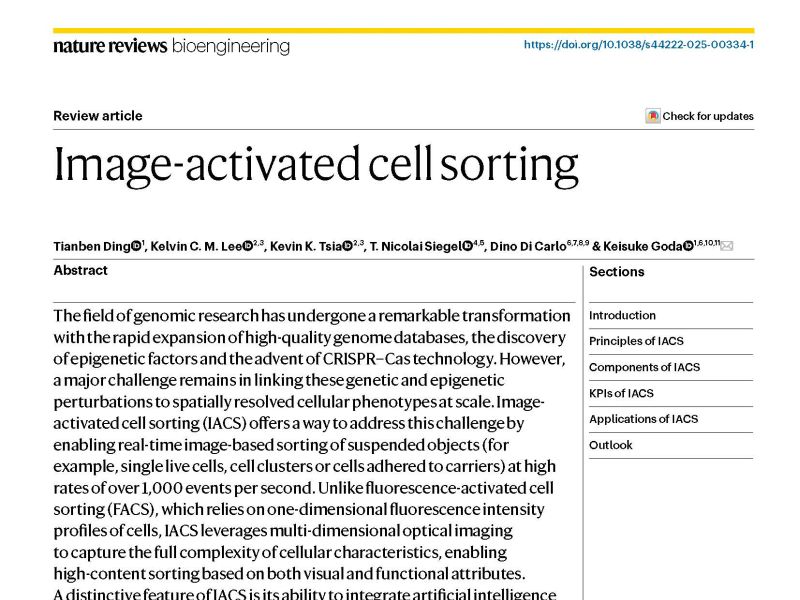
Image-activated cell sorting

Paper 2

Direct evaluation of antiplatelet therapy

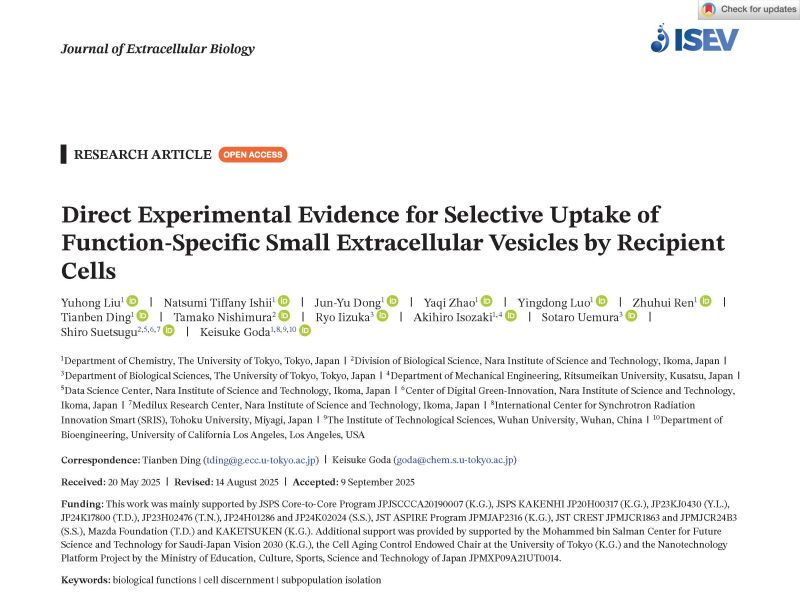
Paper 3

Selecive uptake of small extracellular vesicles

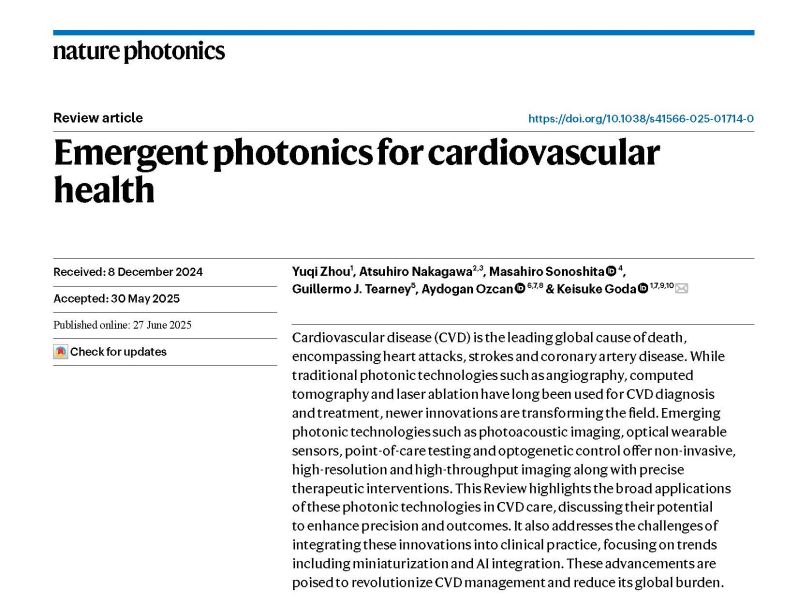
Paper 4

Photonics for cardiovascular health

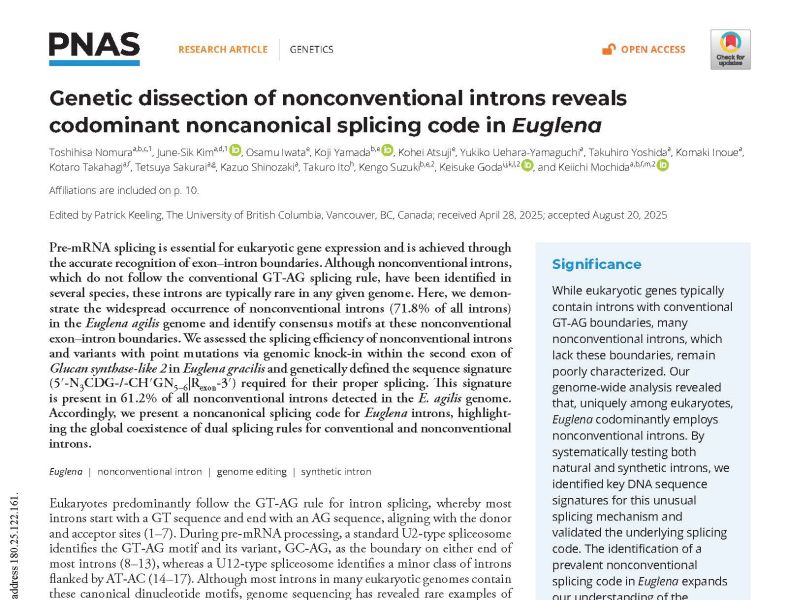
Paper 5

Codominant noncanonical splicing in Euglena

Paper 6

Low-cost, early detection of periodontal disease

Join Us

At Goda Lab, we welcome skilled researchers from all universities, disciplines, companies, and government institutions. We offer a variety of career pathways, including degree and non-degree positions, as well as both short-term and long-term opportunities. If you are interested in joining Goda Lab, please send an email and your CV to Prof. Goda.

Graduage Programs

A few different graduate programs for doctoral degrees are available to domestic and international students. Financial support is also available.

Internship Programs

A few different internship programs are available to international students who need financial support to spend summer or longer times with us.

Visiting Scholar Programs

Both short-term (<3 months) and long-term (>1 year) visiting scholar programs are offered by JSPS, CSC, RSC, Marie Curie Foundation, Humboldt Foundation, etc.

Assistant Professor Positions Available (Biology & Medicine)

Goda Lab welcomes applications from candidates interested in exploring exosome-related biology and medicine.

Assistant Professor Position Available (NanoTerasu)

Goda Lab welcomes applications from candidates interested in exploring biology and medicine with NanoTerasu.

Interested in startups?

At Goda Lab, we actively encourage talented researchers and students to launch deep-tech startups grounded in their research achievements and to translate scientific innovation into impactful products. If you are interested in founding a startup with Goda Lab or joining one of the existing spin-off companies, please send an email and your CV to Prof. Goda.

Join Us

Startups

Goda Lab's technologies have been spun off into innovative startups.

CYBO

Autonomous cytopathology

LucasLand

Wearable & flexible sensors

FlyWorks

Drosophila-based drug discovery

Contact Us

Feel free to visit us, call us, and e-mail us

Address

2-1 Seiryo-cho, Medical Building 5, Goda Lab, Aoba-ku, Sendai, Miyagi 980-8575, Japan

Call Us

+81-3-5841-4329